Plumbing Considerations When Adding A Bathroom To A Home
Finding experienced local contractors for bathroom plumbing installation ensures proper connections and code compliance when adding a bathroom to your home.
Adding a bathroom to a home is an exciting upgrade that can enhance comfort and functionality. However, understanding the plumbing considerations involved is crucial to ensure the project runs smoothly and meets practical needs. Property owners in the area often explore this topic to navigate the complexities of existing plumbing systems, drainage, and water supply requirements. Keeping these factors in mind can help prevent costly issues down the line, and professional bathroom plumbing installation services provided by local contractors are equipped to handle these important details with expertise.
Whether expanding a master suite or creating a new guest bathroom, proper planning around plumbing considerations when adding a bathroom to a home is essential. Local service providers can assess the current plumbing setup, advise on necessary modifications, and ensure everything is installed correctly for reliable operation. Exploring this topic further can help homeowners make informed decisions and find trusted professionals capable of managing the technical aspects of bathroom plumbing installation, making the process smoother and more efficient.
- Bathroom plumbing installation - is needed when adding a new bathroom to a home, and local contractors assess existing plumbing layouts to ensure proper connections.
- Fixture and drain setup - is essential for new bathroom spaces, with service providers planning pipe routing and drainage solutions tailored to the home's structure.
- Water supply line installation - becomes necessary when expanding plumbing systems for additional bathrooms, with local pros ensuring adequate water flow and pressure.
- Vent system installation - is crucial for proper drainage and airflow, and local contractors evaluate venting needs based on the bathroom's location and layout.
- Repiping or extending existing plumbing - may be required when integrating a new bathroom, with service providers carefully modifying or extending pipe networks to meet plumbing considerations.
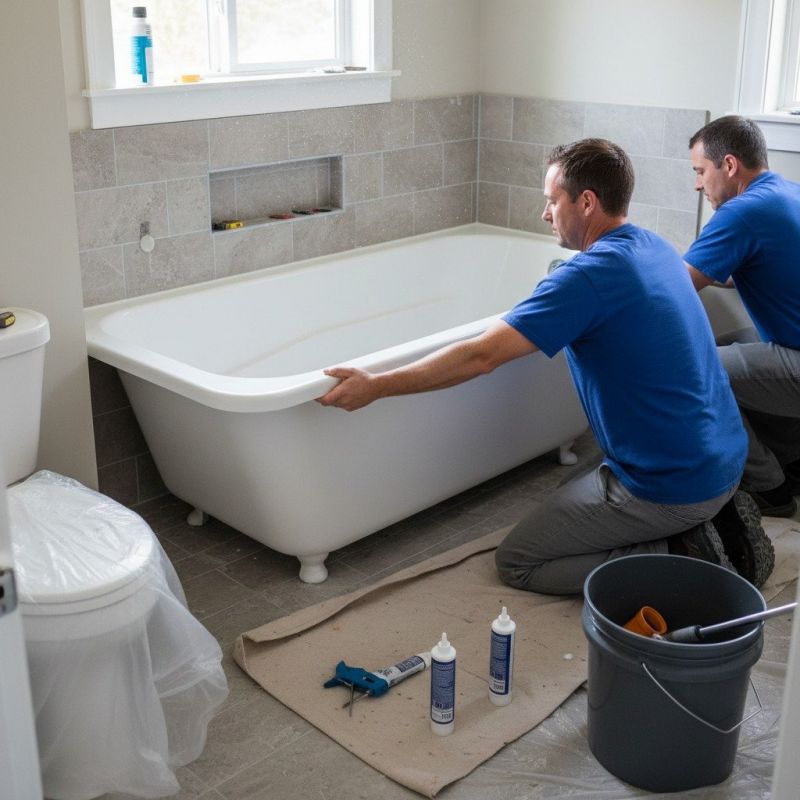
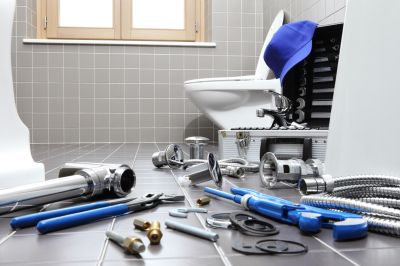
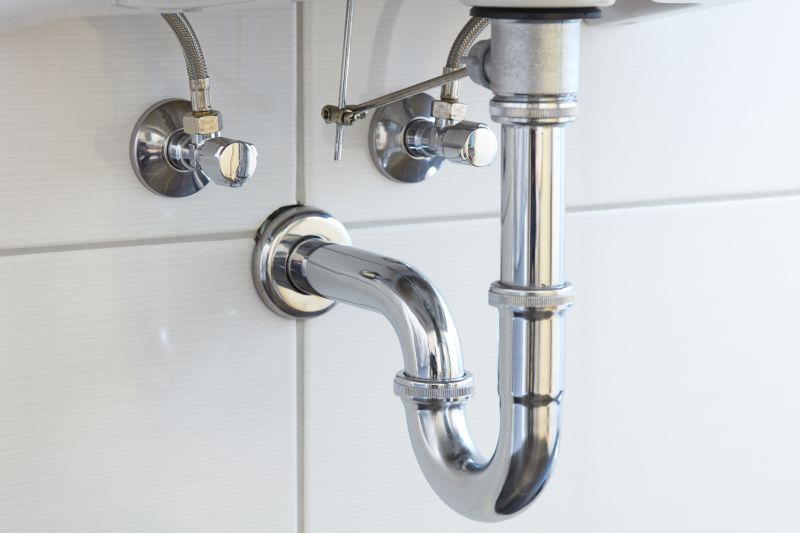
Adding a bathroom to a home involves careful planning around plumbing considerations that are essential to ensure the new space functions properly and complies with existing systems. Homeowners often search for this topic when considering expanding their living space, whether to accommodate a growing family, improve convenience, or increase property value. These projects typically involve integrating new fixtures, such as toilets, sinks, and showers, with existing water supply lines and drainage systems. Understanding the complexities of plumbing in this context helps homeowners anticipate potential challenges, such as ensuring proper water pressure, avoiding cross-contamination, and maintaining reliable drainage, all of which are crucial for a smooth installation process.
The plumbing considerations when adding a bathroom to a home are closely tied to the property's existing infrastructure and layout. For older homes, this might mean upgrading or rerouting current pipes to accommodate new fixtures or to meet current standards. In newer properties, the focus often centers on connecting to existing water lines or planning for future expansions. Problems can arise if the plumbing system is not designed with adequate capacity or if the layout does not support efficient flow. Common plans involve determining the best location for the new bathroom, ensuring sufficient access to existing water and sewer lines, and planning for venting to prevent drainage issues. Local contractors experienced in bathroom plumbing installation can assess these factors and provide solutions tailored to each property's unique setup.
Property types that come up frequently in discussions about adding a bathroom include single-family homes, multi-family residences, and even some commercial buildings converting or expanding existing spaces. In single-family homes, the focus is often on optimizing space within the footprint of the house, which may require creative routing of pipes through walls or floors. Multi-family buildings or apartment complexes may involve coordinating with existing systems to minimize disruption and meet building codes. Properties with basement or attic conversions often face additional challenges related to gravity drainage and venting. Local service providers specializing in bathroom plumbing installation are well-equipped to handle these varied property types, ensuring that the plumbing work integrates seamlessly with the existing infrastructure and meets the specific needs of each project.
Understanding how local contractors approach plumbing considerations when adding a bathroom to a home can make a significant difference in the success of the project. These professionals evaluate the property's current plumbing layout, identify potential issues such as limited access to sewer lines, and recommend solutions to optimize water flow and drainage. They also help navigate the complexities of venting systems and ensure that new fixtures are properly connected to prevent future problems. By working with experienced service providers, homeowners gain confidence that their new bathroom will be functional, efficient, and compliant with local standards. This expertise is vital for turning a bathroom addition from an idea into a practical, long-lasting part of the home.
Kitchen Plumbing Remodels - these projects involve rerouting and installing plumbing systems, sharing skills with bathroom plumbing considerations when adding a new bathroom to a home.
Basement Finishing Projects - adding bathrooms in finished basements requires careful planning of drainage and water supply, similar to bathroom additions.
Laundry Room Installations - installing laundry hookups involves plumbing work that overlaps with the skills needed for bathroom plumbing considerations when adding a new bathroom.
Garage Plumbing Conversions - converting garages into living spaces often includes adding bathrooms, requiring expertise in plumbing systems and code compliance.
Attic Plumbing Installations - running water lines to attic bathrooms involves planning and executing plumbing work akin to bathroom addition projects.
Sunroom or Extension Plumbing - extending plumbing systems to new room additions like sunrooms involves similar planning and installation skills as adding a bathroom to a home.
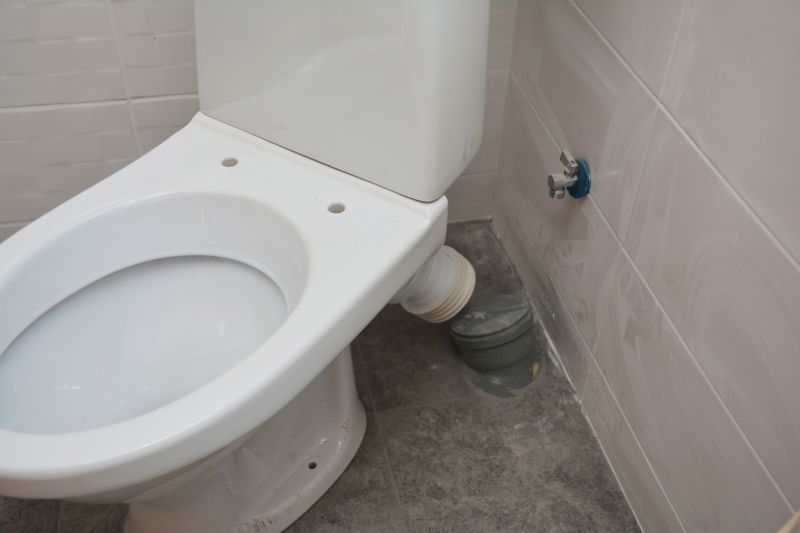
When comparing local contractors for bathroom plumbing installation, it is important to evaluate their experience with similar projects. Homeowners should seek service providers who have a proven track record in adding bathrooms, as this ensures familiarity with the unique plumbing considerations involved. An experienced professional will understand the complexities of integrating new fixtures into existing plumbing systems, managing space constraints, and ensuring proper drainage and water supply connections. Verifying a contractor’s history with comparable projects can provide confidence that they are well-equipped to handle the specific demands of bathroom additions.
Clear, written expectations are essential when selecting a service provider for plumbing work. Homeowners should request detailed proposals that outline the scope of work, materials to be used, and the timeline for completion. This transparency helps prevent misunderstandings and ensures that both parties are aligned on project goals. Reputable local contractors will be able to communicate their process and provide documentation that clearly defines what the installation will entail, making it easier to compare options and make informed decisions.
Good communication and reputable references are key factors in choosing the right service provider. Homeowners should seek out contractors who are responsive and willing to answer questions throughout the planning and installation process. Additionally, obtaining references from previous clients can offer insights into the contractor’s reliability, workmanship, and professionalism. Reliable local pros tend to foster open dialogue, provide consistent updates, and stand behind their work, which can significantly contribute to a smoother and more satisfying bathroom plumbing installation experience.
Property owners often search for plumbing considerations when adding A bathroom to A home when they are planning practical projects around their homes and businesses. Local pros provide Bathroom Plumbing Installation services for everyday jobs and straightforward project options.
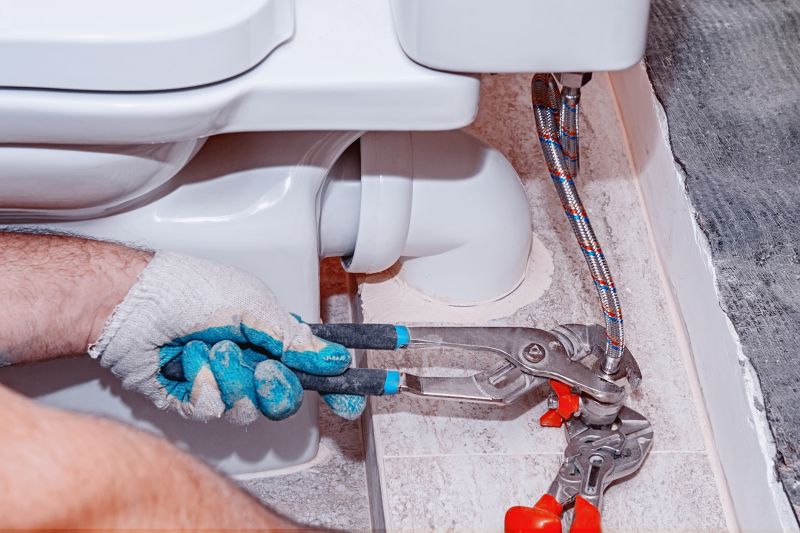
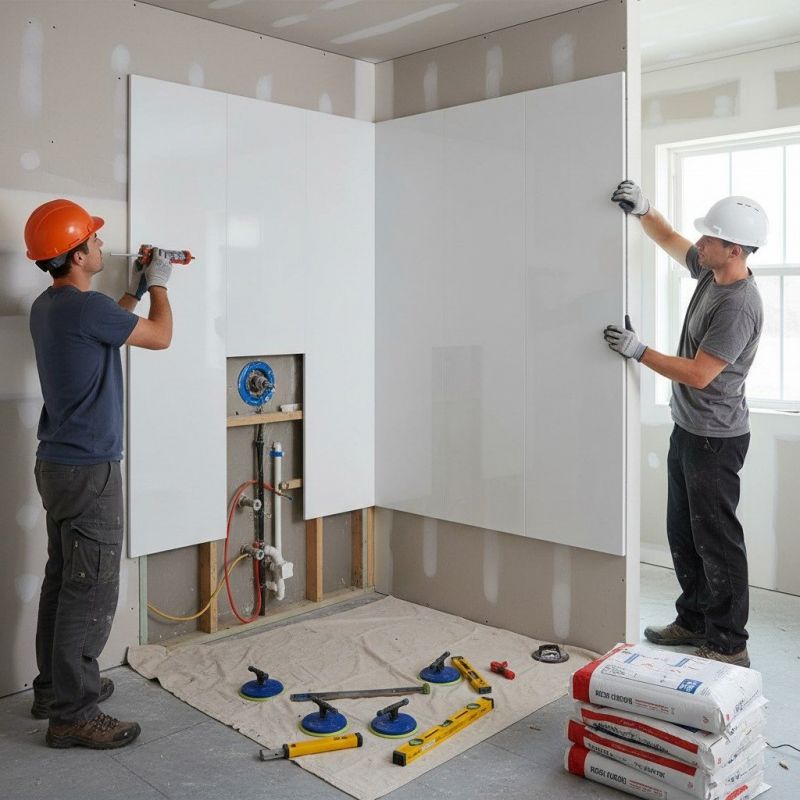
Adding a bathroom to a home involves more than just choosing a location and installing fixtures; understanding plumbing considerations when adding a bathroom to a home is essential for ensuring a functional and efficient setup. Property owners often seek guidance on how existing plumbing can support a new bathroom, especially when considering the placement of toilets, sinks, and showers. Local contractors can assess the current plumbing infrastructure, identify potential challenges, and recommend the best solutions to ensure proper drainage and water supply. This helps prevent future issues like leaks or low water pressure, making the project smoother and more reliable.
Many property owners look up this topic to avoid common pitfalls associated with bathroom plumbing installation. For example, ensuring the new bathroom has adequate venting, proper pipe sizing, and appropriate drainage connections are critical steps that local service providers are experienced in handling. Connecting to existing water lines or rerouting pipes may be necessary, and professionals can help determine the most practical options. By working with local contractors knowledgeable about plumbing considerations when adding a bathroom to a home, property owners can make informed decisions that support a successful and long-lasting installation.
What plumbing considerations are important when adding a bathroom to a home? Key considerations include ensuring proper water supply lines, adequate drainage, and appropriate venting to prevent sewer gases from entering the living space. Local contractors can assess existing plumbing systems and recommend necessary upgrades to support the new bathroom.
How does adding a bathroom impact existing plumbing systems? Adding a bathroom may require extending or modifying current water supply and drain lines, which can involve rerouting pipes or increasing capacity. Experienced service providers can evaluate the home's plumbing infrastructure to ensure it can handle the additional demand.
What are common challenges with plumbing when installing a new bathroom? Challenges often include limited space for piping, connecting to existing sewer lines, and maintaining proper venting. Skilled contractors can navigate these issues to ensure reliable and code-compliant plumbing installation.
Why is proper venting important when adding a bathroom? Proper venting prevents airlocks and allows wastewater to flow freely, reducing the risk of clogs and sewer odors. Local plumbing service providers can install or upgrade venting systems to meet building codes and ensure functionality.
How can a professional ensure the plumbing is up to code when adding a bathroom? Experienced service providers are familiar with local plumbing codes and standards, ensuring all pipe sizes, venting, and drainage connections are correctly installed for safety and compliance. They can also advise on any necessary permits or inspections required for the project.
Assessing plumbing layout options - Property owners can evaluate existing plumbing routes to determine the most efficient placement for a new bathroom with help from local contractors.
Planning for water supply and drainage - Considering the home's current water lines and drain systems ensures proper connections and avoids future issues during installation.
Addressing venting requirements - Ensuring adequate venting is essential for proper drainage and air flow, which local pros can incorporate into the project plan.
Preparing for fixture placement - Strategic placement of fixtures based on plumbing considerations can improve functionality and ease of installation with guidance from service providers.
If you are thinking about plumbing considerations when adding A bathroom to A home for a property, this guide is meant to help you understand this topic, the typical project types, and how different options might fit your plans.
When you are ready, you can use the quote form on this page to share a few details about your project. From there, local pros can review the basics and follow up with options that match what you have in mind.